


2025 Volume 8 Issue 4
|
|
INEOS OPEN, 2025, 8 (4), 171–180 Journal of Nesmeyanov Institute of Organoelement Compounds |
|


Dense Molecular Brushes: A Critical Analysis of the Synthetic Approaches
A. A. Nesterkina,a M. A. Obrezkova,*a and A. M. Muzafarova,b
a Enikolopov Institute of Synthetic Polymeric Materials, Russian Academy of Sciences, ul. Profsoyuznaya 70, Moscow, 117393 Russia
b Nesmeyanov Institute of Organoelement Compounds, Russian Academy of Sciences, ul. Vavilova 28, str. 1, Moscow, 119334 Russia
Corresponding author: M. A. Obrezkova, e-mail: obrezkova@ispm.ru
Received 13 December 2024; accepted 17 January 2025
Abstract
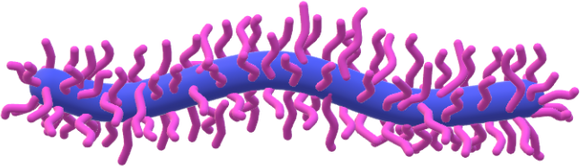
Dense molecular brushes, previously considered exotic objects, have emerged as promising materials with unique properties which are dictated by their architecture and mechanisms of intermolecular interactions. However, their synthesis remains a challenge that requires the improvement of the existing methods. This review provides a critical analysis of the current approaches to the synthesis of molecular brushes with a particular emphasis on their limitations and potential for scaling up for wide use.
Key words: molecular brushes, grafting through, grafting to, grafting from, polydimethylsiloxane.
Introduction
Over the past decade, molecular brushes have unexpectedly transformed from exotic research objects, demonstrating the power of polymer theory and remarkable progress in the development of synthetic approaches [1], into unique materials, fundamentally differing from classical polymeric materials in the mechanisms of intermolecular interactions [2, 3]. The enormous combinatorial potential of these new systems in combination with the experience in block copolymer design has enabled the creation of a modern platform which provides significant advances in the creation of new polymeric materials for a wide variety of application fields, ranging from mimetics of natural tissues and materials [4–6] to molecular adhesives with controlled adhesion achieved by regulating the architecture of a polymer network [7].
While the theory of new polymer materials science is adequately keeping pace with the process of comprehending the new possibilities of polymeric matter, the synthetic methods, which success ensured this unexpected and unpredicted boom, are advancing very slowly. Indeed, at the stage of testing theoretical models and studying new polymeric materials, researchers were not concerned with the parameters of synthetic operations, from yields and reaction times to multi-stage processes, the cost of starting compounds, and other key parameters through which any innovation in polymer materials science is assessed. Now that all these factors must be taken into account, it turns out that the very methods we admired as the pinnacle of synthetic technology raise numerous questions regarding their reproducibility, cost, and byproduct removal—everything we call efficiency. Due to the enormous potential offered by these new polymeric forms, significant work now lies ahead to improve their synthesis, and their level of improvement will determine their application scope in the high-tech polymeric materials market.
The goal of this review was to analyze the synthetic approaches used to synthesize molecular brushes in terms of their efficiency and potential for scaling up for wide application.
Structural features of molecular brushes
Recent decades have witnessed significant advances in polymer science. Modern methods for polymer synthesis allow for obtaining polymer molecules in the form of linear [8, 9], branched [10–12], and network structures [13, 14], as well as in the form of macromolecule particles [15]. The differences in the properties of these structures suggest a huge potential for controlling the properties of polymers by tuning their architecture [16, 17]. One of the most striking achievements in modern polymer science is the emergence of new materials with unique properties based on dense molecular brushes (DMBs). DMBs are polymers consisting of a main polymer chain and densely grafted side chains. The term polymer brush was introduced in the 1970–1980s following the reports by the Israeli researcher Alexander [18] and the French scientist de Gennes [19]. Since then, our understanding of the structure of polymer brushes has significantly expanded. DMBs amount to one of the types of polymer brushes, which represent comb-shaped polymers with a high density of grafted side chains. The visualization of molecular brushes using scanning force microscopy showed that macromolecules of this architecture have a worm-like conformation of chains, stable due to steric repulsion between densely grafted side chains [20–22]. An important addition is that the main chain of a molecular brush must be much longer than the side chains, which determines the cylindrical shape of the molecule. As a result, the high density of the structure virtually eliminates intermolecular interpenetration. Such a highly branched brush structure leads to its very compact molecular sizes compared to linear polymers of the same molar mass (MM). DMBs are characterized by three features that determine their unique properties: (1) a high concentration of polymer side chains; (2) an extended polymer backbone due to steric repulsion between side chains; (3) the reduced spatial entanglement of chains [23].
Based on the chemical composition of side chains, molecular brushes can be divided into two categories: (1) brushes with homopolymer side chains, which include linear brushes, gradient brushes (with a grafting density gradient along the copolymer backbone) [24–26], and brush–block–coil copolymers [27, 28]; (2) brushes with copolymer side chains which, in turn, can be divided into brushes with random/block copolymer side chains [29–35], heterografted brushes [36, 37], and AB-type brush–block–brush copolymers [38–40], etc.
Besides the linear cylindrical molecular brushes, a variety of brushes featuring different branching topologies have been synthesized, including star-shaped multi-arm structures [41, 42] and graft-on-graft copolymers [43] (Fig. 1).
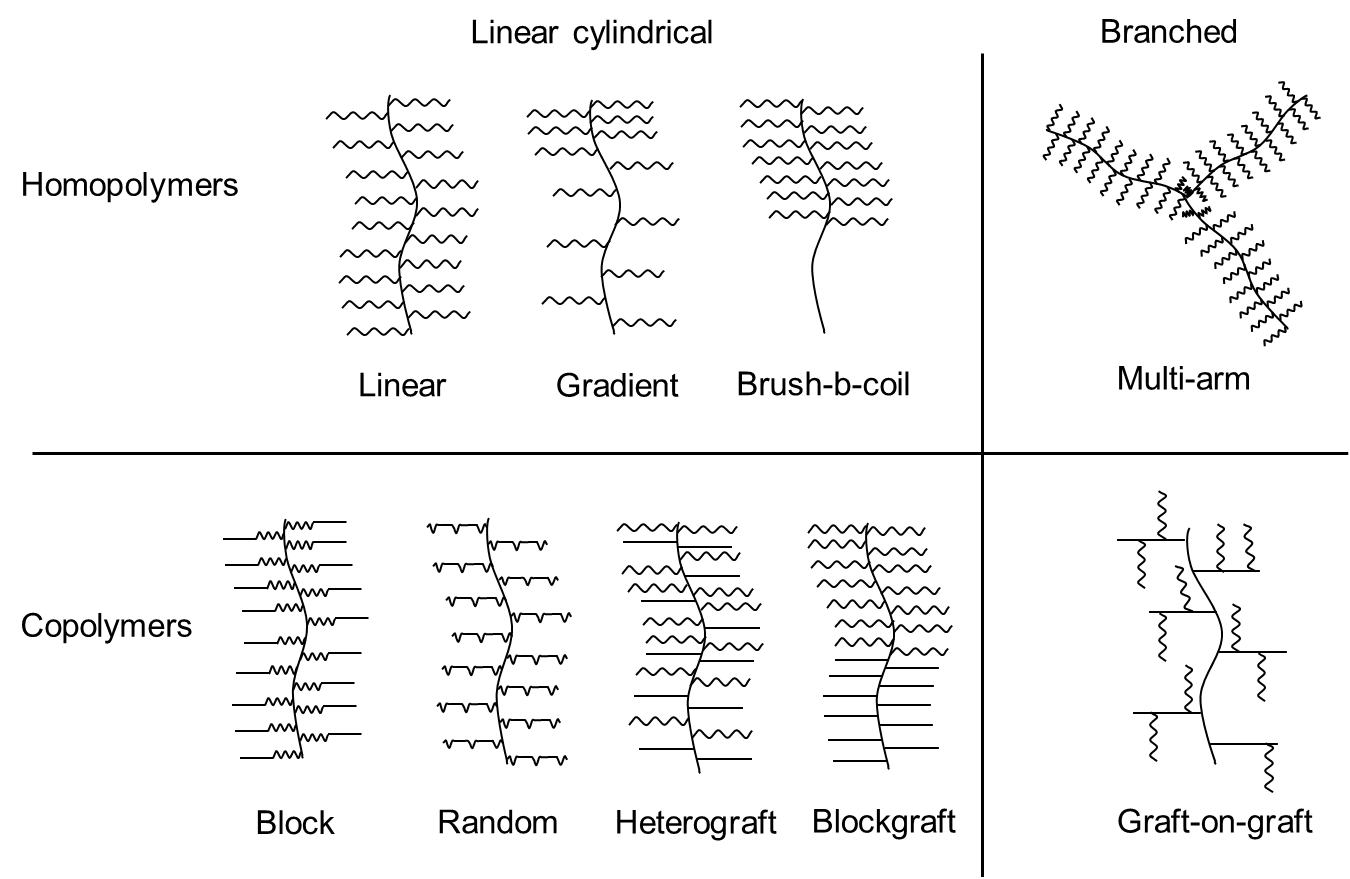
Figure 1. Classification of molecular brushes based on the branching topology and chemical composition of side chains.
Owing to the features such as high backbone rigidity, variability of the chemical structure, and nanoscale sizes, molecular brushes can be used in a wide variety of fields, including anisotropic nanomaterials [1, 44–47], ultrasoft elastomers [2, 48, 49], surfactants [50, 51], photonic materials [52–55], biolubricants [56, 57], nanoporous materials [58–62], as well as in biomedicine and microelectronics [63–65]. The ability of molecular brushes to respond through reversible conformational changes to external stimuli, such as temperature, pH, light, etc., has stipulated their use in the production of smart biomedical and engineering materials [66, 67].
The chemical nature, molar masses, and architecture of polymer brushes directly depend on the method used for their synthesis. Based on the literature data, the main methods for obtaining polymer brushes can be schematically designated as "grafting from," "grafting through" (polymerization or polycondensation of a macromonomer), and "grafting to" (Fig. 2) [68]. These terms emphasize the formation direction of the grafted chains.
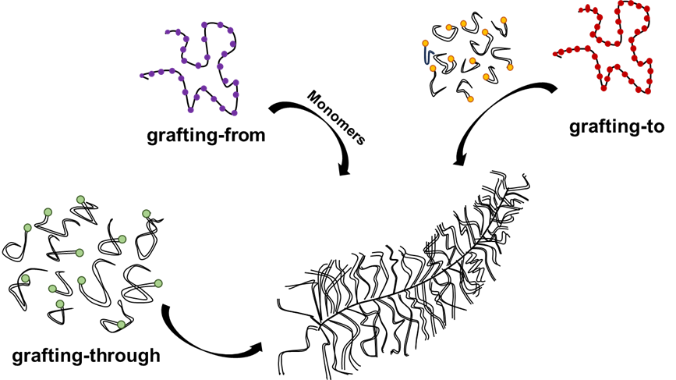
Figure 2. Methods for the synthesis of polymer brushes: grafting to, grafting from, and grafting through.
Critical analysis of the synthetic approaches
Grafting from
The grafting-from method is considered versatile and is actively used for the synthesis of DMBs with various architectures and chemical natures. This method is based on the growth of side chains from initiation centers linked to the polymer backbone. The grafting-from approach includes methods such as anionic polymerization (AP) [69] and ATRP [70–72]. For example, macroinitiators can be prepared by polymerizing a monomer containing an initiating group for ATRP using the conventional free-radical polymerization [21], stable free-radical polymerization [73], RAFT polymerization (reversible addition–fragmentation chain transfer) [74], or anionic polymerization [27, 75].
The synthesis of a series of brushes with poly(methyl methacrylate) (PMMA) side chains of varying lengths was reported [76]. Poly(2-[2-bromoisobutyryloxy]ethyl methacrylate) was used as a macroinitiator.
To determine the actual length of the side chains and initiation efficiency, the side chains were cleaved from the main chain through the base-catalyzed transesterification in methanol (Fig. 3).
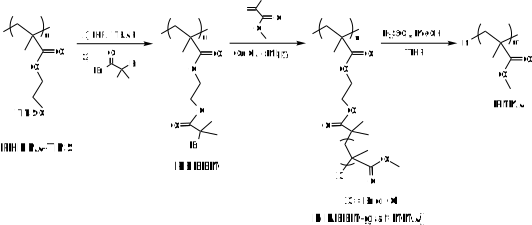
Figure 3. Synthesis and solvolysis of PMMA brushes.
The analysis of the detached side chains revealed an incomplete initiation process, resulting in longer side chains than expected in the case of the complete initiation. The restricted initiation (40–80%) was also observed for short PMMA chains upon application of ethyl 2-bromoisobutyrate as an initiator and CuCl as a catalyst.
The macroinitiator virtually serves as a template from which the brush structure will be derived. Thus, the macroinitiator structure largely determines the grafting density, overall size, and polydispersity index of the resulting molecular brushes.
Most of the reports have been focused on the synthesis of molecular brushes by the grafting-from method using ATRP, for example, for the controlled growth of side chains from acrylate [75, 77], methacrylate [78–80], acrylamide [33], acrylonitrile [81], and styrene [21, 77] monomers. However, as it was mentioned earlier, ATRP has a number of drawbacks, and scaling up the process can be challenging, especially when the large-scale production of molecular brushes is required.
The above examples suggest that a drawback of the grafting-from method is the uncertainty of the molar mass of side arms, as well as the fact that it does not furnish polymers with 100% side chain grafting density due to thermodynamic hindrances created by adjacent side chains and the non-simultaneous activation of active sites distributed along the chain. Another drawback is that a chain transfer to the polymer results in the formation of branched molecules with very high molar masses in addition to the desired brush, ultimately leading to macroscopic gelation [82]. The grafting-from method does not provide adequate control over the grafting density and the corresponding side chain length. Both parameters depend on the initiation efficiency [76, 83].
Furthermore, the synthesis of molecular brushes with a purely siloxane backbone and side chains using the grafting-from method has been described only in one report [84]. However, the resulting pure polymer and the reaction mixture had short life cycles: several weeks and two days, respectively. Moisture access to the unsubstituted silicon hydride groups led to polymer cross-linking. This circumstance may be due to the presence of local heterogeneity elements caused by the uneven distribution of side chains along the backbone. The influence of anomalous units formed as a result of structural changes in some polymer units due to side reactions or other secondary transformations, as well as due to incomplete substitution or anomalies in macromolecular modification reactions, on the chemical and physical properties of the polymer is described in the concept of polymer heterogeneity. This concept was first discussed in detail by V. V. Korshak, who emphasized the importance of heterogeneity for understanding the behavior of polymer systems [85].
Hence, according to the mentioned reports, the grafting-from method cannot be considered a promising method for the synthesis of siloxane molecular brushes, since the presence of active initiation centers in the brush, as well as the lack of control over them, can lead to undesirable consequences both at the synthesis stage and during storage of the resulting molecular brush.
Grafting through
The second most common approach is the grafting-through method. This method can be used to obtain block copolymer molecular brushes [86]. Using the grafting-through method, DMBs can be synthesized by the polymerization or polycondensation of ω-functional linear macromonomers. The polymerization routes used for the grafting-through method include anionic polymerization [46, 87–90], ring-opening metathesis polymerization [91–94], radical polymerization [70, 95–97], and copolymerization [98–100].
The most important advantage of the grafting-through method is that 100% side chain grafting density is guaranteed for the resulting DMBs, since side chains are incorporated into the macromonomer. Secondly, the grafting-through method makes it possible to determine the molecular weight characteristics of the starting macromonomer. However, despite a number of advantages, the grafting-through method has a significant drawback [83, 101–104]: it provides polymers with a low degree of the main-chain polymerization. Most of the molecular brushes synthesized by the anionic polymerization are limited by low molecular weight and moderate control of the molecular weight distribution (MWD) due to steric hindrances, susceptibility to impurities, and the difficulty of obtaining high-purity macromonomers required for AP [69]. Many attempts have been made to synthesize polymacromonomers with a narrow molecular weight distribution of the main chain as well as the side chains using the anionic polymerization [69, 89, 90], but most of them appeared to be unsuccessful.
For example, Ishizu and Satoh [89] obtained molecular brushes with a broad MWD, and the GPC (gel permeation chromatography) curve of the polymerization product was bimodal, since it represented a mixture of the polymer brush and unreacted macromonomer. This leads to another drawback—the incomplete conversion of a macromonomer, which creates the problem of removing excess macromonomer from the resulting polymer brushes after the grafting process.
All of the above-mentioned disadvantages of the grafting-through method are primarily associated with the steric hindrances between side chains, as well as the kinetic or thermodynamic barriers arising from the initially low concentration of polymerizing or coupling groups.
To alleviate the mentioned disadvantages, in 2003 Pantazis et al. [88] suggested a method for the synthesis and polymerization of a macromonomer in the same reactor. The key factor for the synthesis of macromonomers was the faster reaction of the living polymer with the chlorosilane group than that with the double bond of 4-(chlorodimethylsilyl)styrene (CDMSS) (Fig. 4) [105].
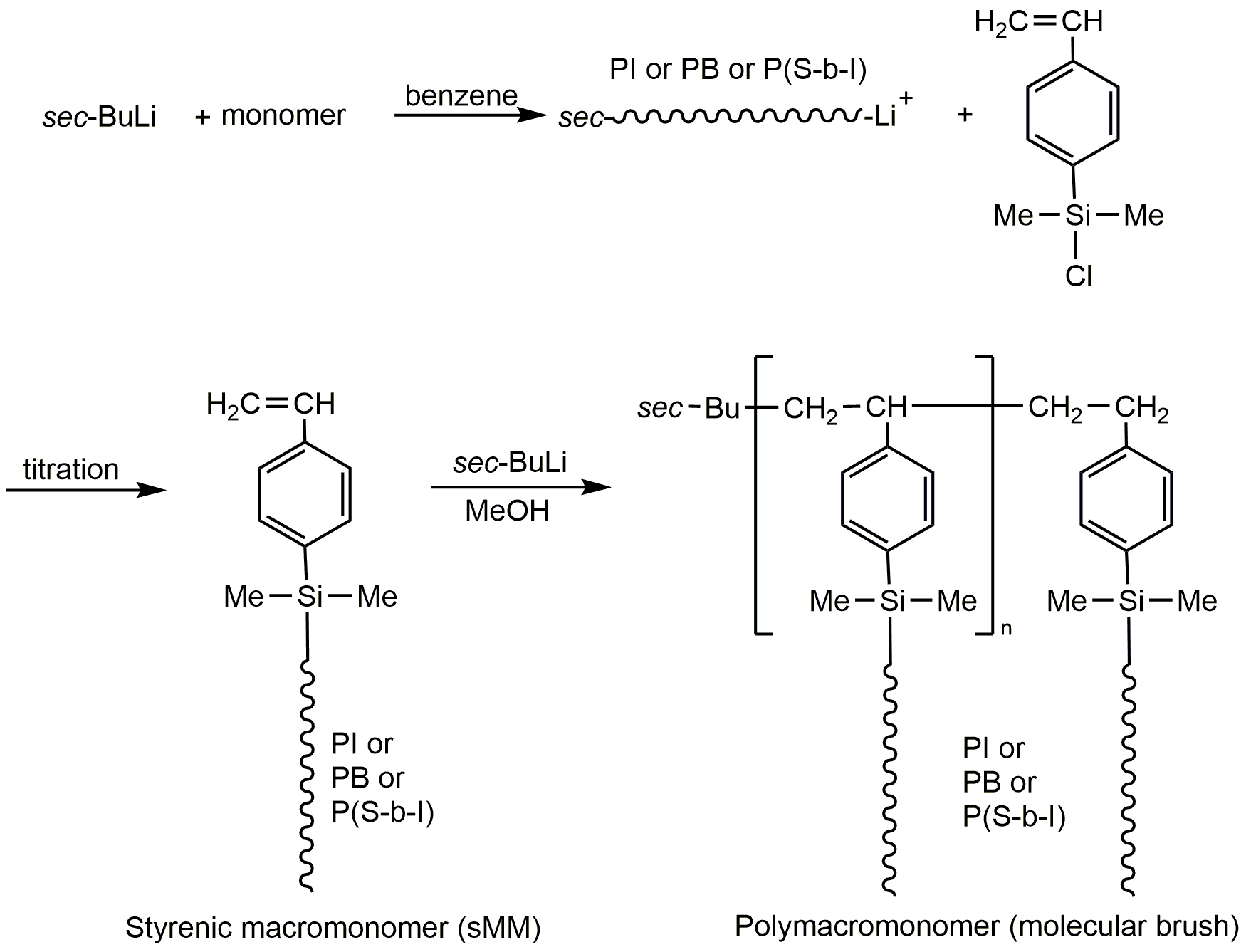
Figure 4. General scheme for the synthesis of styrene macromonomers and polymacromonomers
of polyisoprene (PI), polybutadiene (PB), and poly(styrene-b-isoprene) (P(S-b-I)).
A change in the color of the styrene anion to orange as a result of the reaction of the living chain with the double bond of CDMSS allowed for visual control of the reaction course. When a constant faint orange color appeared, the addition of the living chain ceased, after which sec-butyl lithium (sec-BuLi) was added. After that, the color immediately changed to dark orange, which indicated the formation of a polystyryllithium anion (PStLi), suggesting the onset of the polymerization of the macromonomers.
Using this approach and taking into account the fact that the polymerization rate of the macromonomers was very high, Aggelos Vazalios and Nikos Hadjichristidis prepared a series of well-defined polymacromonomers of polyisoprene, polybutadiene, and polystyrene (PS) with a low polydispersity index and a degree of polymerization of the backbone up to 140 [106]. Due to the extremely low concentration of active sites of the macromonomers, additional measures were taken to purify all reagents involved, as well as the equipment. Despite all precautions, the macromonomers were obtained with a small amount (5%) of by-products, and all final chromatograms of the polymacromonomers always showed a residual macromonomer content of 5–10%. Furthermore, the molecular brushes with the backbone polymerization degree of 120 were obtained only for low-molecular-weight polyisoprene macromonomers. With increasing macromonomer polymer chain length or with the transition to PS and polybutadiene macromonomers, the degree of polymerization of the molecular brush backbone decreased and ranged from 15 to 60.
The steric hindrances also affected the polymerization of most vinyl-terminated macromonomers, but several research groups tried to solve this problem using ROMP [91, 92]. R. D. Puts and D. Y. Sogah obtained the PS macromonomer with oxazoline terminal groups (in 52% yield), which was subsequently polymerized by the cationic ring-opening polymerization of the oxazoline group of the polystyrene macromonomer, initiated by methyl triflate in o-dichlorobenzene (ODCB), to yield a comb-shaped polymer with a hydrophilic polyethyleneimine backbone and a hydrophobic PS side chain [107]. The yield of the product was 78%. As was expected for the homopolymerization of the macromonomer, the reaction was slow and proceeded for several days [108].
If we compare the polymerization of vinyl-terminated macromonomers with this polymerization, it is less efficient due to steric hindrances. Apparently, in the case of the PS macromonomer with oxazoline terminal groups, the steric hindrances were mitigated by opening the oxazoline ring.
A combination of the anionic polymerization and ROMP was used by Heroguez et al. [109, 110] to obtain PS and poly(ethylene oxide) (PEO) macromonomers with a terminal norbornenyl group and subsequently to synthesize molecular brushes. In the case of PS [109], using a molybdenum-centered initiator containing strongly electron-withdrawing substituents in a toluene solution, the conversion of macromonomers with Mn = 2700 g/mol ranged from 95 to 100%. Moreover, the final product was not contaminated with the residual macromonomer. Upon polymerization of the macromonomers with higher molar masses (Mn = 4800 and 11000 g/mol), their conversions ranged from 95 to 98%, regardless of the experimental conditions applied. However, on passing from the macromonomers with Mn = 4800 g/mol to those with Mn = 11000 g/mol, the degree of polymerization of the molecular brush backbone varied from 15 to 36, respectively.
In the case of PEO with macromonomers (Mn = 1500 and 2800) [110] using a molybdenum-centered initiator, polymacromonomers were obtained in 100% yield and featured a narrow MWD. When polymerizing larger macromonomers (Mn = 4700 g/mol), the polymerization yield was always no higher than 30%, despite the precautions taken during the synthesis of the macromonomers and accompanying reagents. In the case of the macromonomers with a higher molar mass (Mn = 11000 g/mol), the polymerization did not take place at all.
Molecular brushes based on polyphosphazene [94] or poly-l-lactide [111] macromonomers with terminal norbornyl groups were prepared by the ROMP method. The polydispersity of the graft copolymers obtained from polyphosphazene macromonomers was estimated by GPC and ranged from 1.29 to 2.07. In the case of poly-l-lactide macromonomers, the method was only suitable for macromonomers with a molar mass of up to 9800 g/mol. At higher molar masses, the polymerization of the macromonomers was poorly controlled, the conversion of the macromonomers was low, and multiple peaks were observed in the GPC curves. It was found that one of the main limitations associated with the ROMP method, as in the case of the anionic polymerization, is the difficulty of achieving complete conversion and precise control of the size of the resulting structure [112].
In recent years, atom transfer radical polymerization (ATRP) has received increased attention for the synthesis of molecular brushes via the grafting-through method [34, 113, 114].
This method is based on the reversible transfer of a halogen atom between an inactive alkyl halide and a transition metal catalyst using redox chemistry. The alkyl halide forms a propagating radical, and the transition metal is oxidized through the inner-sphere electron transfer [115].
For example, Kozlov et al. [101] synthesized soluble comb-shaped polymers based on monomethacrylate PEO macromonomer (MA MPEO 2080) using ATRP [101].
In the experiments involving CuBr2:CuBr = 0:100 systems, the high conversions of the macromonomer were achieved; however, an increase in the degree of polydispersity was observed (Mw/Mn = 1.42–1.89).
Upon addition of CuBr2, the equilibrium
A decrease in the concentration of free radicals in the system naturally led to a decrease in the macromonomer conversion. This effect was observed both upon a decrease in the initiator and catalyst concentrations (conversion was 58–97%) and upon addition of increasing amounts of CuBr2 (conversion was 61–97%) [101]. Therefore, the polymerization of the methacrylate macromonomer proceeded with a low conversion and produced polymers with a high degree of polydispersity. The polydispersity index decreased when CuBr was replaced for CuBr2, but the conversion remained low.
In order to obtain molecular brushes with high molecular weights and simultaneously a narrow polydispersity index, as well as to increase the product yield, K. Matyjaszewski in one of his studies [116] varied different system parameters, such as the temperature, pressure, solvent, and monomer concentration, for the polymerization of sterically hindered poly(dimethylsiloxane–methacrylate) (PDMS11MA) macromonomer. It was found that an increase in the product yield is facilitated by carrying out the polymerization at a low temperature, in a thermodynamically poor solvent for side chains, at a higher initial monomer concentration ([M]0), and a higher pressure (Fig. 5).
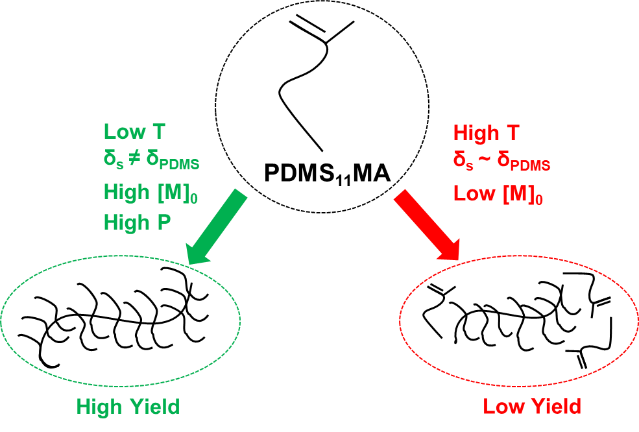
Figure 5. ATRP polymerization of a sterically hindered poly(dimethylsiloxane–methacrylate) (PDMS11MA) macromonomer
to a high conversion depending on the temperature, solvent, initial monomer concentration, and pressure.
Nevertheless, a simultaneous combination of these four factors did not always produce the desired results. For example, the polymerization conducted at a higher value of [M]0, using a poor solvent, and at a lower temperature was well controlled, and the monomer conversion was high. Conversely, the polymerization conducted at a high pressure and simultaneously high [M]0 was poorly controlled, presumably due to the limited solubility and low mobility of the copper catalyst in a highly viscous medium. Systematically reducing the pressure from 4.2 kbar to 1 bar reduced the number of high-molecular-weight peaks in the GPC curves.
Despite the ease of using ATRP in the synthesis of multifunctional macromolecules, this method has significant drawbacks. The latter include a low monomer conversion and a low degree of backbone polymerization due to steric hindrances during the reaction, as well as the duration of the polymerization process.
As can be seen, most investigations in the field of molecular brushes have been focused on developing the synthetic approaches and studying the properties of brushes with carbon-based backbones and side chains. Molecular brushes with a backbone of organic matter and siloxane side chains are rarely encountered. The data on the synthesis of brushes with a siloxane backbone are even scarcer.
Owing to the high Si–O bond energy, silicones exhibit high thermal stability, good frost resistance, high permittivity, and are resistant to most acids and alkalis [117]. Their unique properties make them of great interest for various industries [118]. At the same time, it can be assumed that a combination of siloxane arms and backbone can afford molecular brushes with higher conformational freedom and thermal stability. A literature survey revealed several attempts to synthesize the polymer siloxane brushes. For example, purely siloxane molecular brushes with a 100% degree of grafting were synthesized by the hydrolytic polycondensation (HPC) of vinyl dichlorosilyl terminal groups of PDMS macromonomers; however, the resulting objects had a short main chain, which, according to their structure and properties, allowed them to be classified as star-shaped polymers rather than DMBs (Fig. 6) [16].
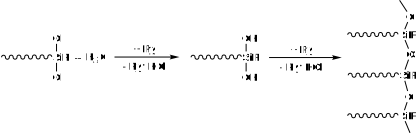
Figure 6. Synthesis of comb-shaped polyorganosiloxanes.
Hence, the grafting-through method is unlikely to be considered a synthetic approach widely applicable for producing molecular brushes due to the low degree of polymerization of the main chain. The complexity of the synthesis calls into question the scalability of these molecular brushes using the grafting-through method. As for the use of this method for the synthesis of siloxane DMBs, it should be noted that the siloxane polymers that could fit the definition of a molecular brush have not been obtained yet.
Grafting to
Previously less common, the grafting-to method has recently gained popularity owing to the development of new synthetic approaches that fall within this strategy. The grafting-to method involves the formation of well-defined side chains, typically by the living anionic polymerization, and their subsequent reaction with backbone monomer units that are susceptible to nucleophilic attack [119] or side chain addition via click chemistry [120, 121]. Using highly efficient copper(I)-catalyzed azide–alkyne coupling reactions, commonly classified as a type of click chemistry, it was observed that the post-polymerization modification can lead to high reactant conversions. An advantage of the grafting-to method is that the backbone and side chains can be prepared separately, with the known molecular weight characteristics and a well-defined structure.
Schappacher et al. [122] grafted polystyryllithium to chloroethyl ether units of poly(chloroethyl vinyl ether) (PCEVE) chains. This is a selective reaction that allows for the complete replacement of the chloride atoms of chloroethyl vinyl ether (CEVE) units with PS chains. Grafting of PS branches to the PCEVE backbone was accomplished by the dropwise addition of a PSLi solution to the known amount of PCEVE, preliminarily dried under vacuum and dissolved in dry toluene [123]. A drawback of this method was that excess side chains were used to drive the reaction to complete conversion, and purification of the final product became problematic due to the necessity to remove the unreacted branches.
Gauthier and Moeller [124] performed the polymerization and grafting sequentially in a single reactor, which simplified the synthetic aspects of this procedure. The synthesis included the polymerization of styrene in benzene at room temperature with sec-BuLi, after which the living polymer was treated with 1,1-diphenylethylene (DPE) in THF to reduce the reactivity of the polystyrene anion before the addition of the second monomer [125]. This allowed for avoiding the nucleophilic attack that lead to branching. Then the living polymer solution was slowly titrated to a pale orange (without DPE) or red (with DPE) color with a solution of chloromethyl-substituted polystyrene to deactivate all living polymer chains. The synthesis was carried out under very dilute conditions (2% w/v) using a large excess of chloromethyl methyl ether, the reaction time varied from 48 to 72 h, and the grafting degrees were 50 and 86%, respectively. The highest degree of side chain grafting that was achieved was 96%, implying that in all cases the grafting density was limited due to the thermodynamic limitations inherent to this method [122, 126]. The GPC curves presented in this work contained up to three peaks, which required fractionation to separate the ungrafted chain fraction from the grafted polymers.
To clarify the above result, let us turn to works by Birshtein et al. [127, 128], which examined an intramolecular conformational transition—the coil-to-flower transition—using a molecular brush as an example. Such a transition can be accomplished by a linear macromolecule, one end of which is fixed at a given distance from the boundary within a confined volume. The presence of the macromolecule within this volume is thermodynamically less favorable than its presence in the external medium, due to which the long macromolecule acquires a more complex, flower-like conformation. A part of the chain extends from the fixed end, forming a stem that carries the other part with the free end into the external environment, where it forms the coil-shaped head of the flower. Therefore, the attachment of side chains to the main polymer chain of a molecular brush becomes entropically unfavorable due to the high grafting density of the existing side chains, since the passage of one polymer coil (the side chain) through other polymer coils (the attached polymer chains), which, according to Ref. [129], are not isolated but are in an overlapping state with the adjacent grafted chains, will require ordering, which, in turn, will lead to an increase in entropy, and the process will become thermodynamically unfavorable, since the side chains with a random conformation will have to transition to a more stretched conformation after attachment to the main chain of the brush. Thus, two layers are formed in the molecular brush after grafting the side chains. The first one is represented by relatively elongated grafted chains at the base of the brush, while the second layer is located on the periphery in the form of intertwined polymer coils. Moreover, the longer and bulkier the side chain, the more difficult it will penetrate the peripheral layer.
The grafting density of molecular brushes provided by the grafting-to method can be increased by using highly efficient click reactions, such as copper-catalyzed azide–alkyne cycloaddition. The advantages of click chemistry over other methods include its high selectivity, fast reaction rates, the absence of by-products, and the possibility to control the structure and functionality of the resulting materials. Molecular brushes were successfully synthesized using the grafting-to method by combining ATRP and click reactions [130]. Alkyne-containing polymethacrylate backbones, poly(2-hydroxyethyl methacrylate) (PHEMA-alkyne), with an alkynyl group on each repeating monomer unit, were used to react with azido-terminated polymer side chains of various chemical compositions and molar masses (Fig. 7).
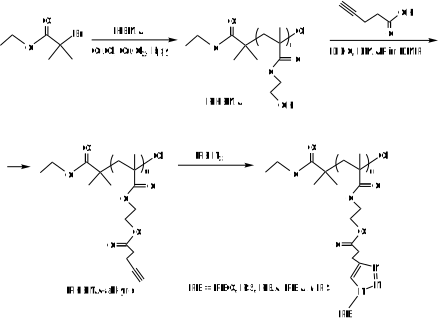
Figure 7. Synthesis of molecular brushes by the grafting-to method: a combination of ATRP and click reactions.
The click reactions were completed in three hours and resulted in the formation of graft copolymers. The grafting density of the brush polymers was influenced by three factors: the molar masses and chemical structures of reactive linear side chains, as well as the initial molar ratio of side chains to alkynyl groups. When bulkier linear (co)polymers were used to react with the alkyne-containing polymethacrylate backbones, the grafting density of the molecular brushes was below 50% due to thermodynamic limitations of the grafted side chains, which restricted the incorporation of linear chains into the graft copolymers. When thinner, low-molecular-weight linear side chains were used to react with the backbones at a high molar ratio of poly(ethylene glycol)-containing terminal azide groups to the alkynyl units, the grafting density of the polymer brushes reached 88%. This result indicated that for the backbone with a polymerization degree of 210, the number of the side chains per a brush molecule was approximately 186.
Hence, despite the advantages of the click reactions, thermodynamic and kinetic aspects still matter, so the question of obtaining molecular brushes with 100% grafting density remains open.
Upon synthesis of polymer siloxane brushes by the grafting-to method via a hydrosilylation reaction, the application of available high-molecular-weight polymethylvinylsiloxane as a polyfunctional linear matrix afforded a cross-linked product (Fig. 8) [131].

Figure 8. Grafting of the monohydride-functionalized dimethylsiloxane oligomer to a linear polyvinylmethylsiloxane chain.
At the Institute of Synthetic Polymeric Materials of the Russian Academy of Sciences, a method for synthesizing a highly functional polymer matrix, namely, poly(sodiumoxy)methylsiloxane was developed [132]. Based on this method, a homologous series of comb-shaped methylsiloxanes was obtained which feature side chains of a given length strictly located at each silicon atom of the main chain (Fig. 9) [133]. The resulting polymers did not contain defective or branching units within the error limits of the analytical methods in use.
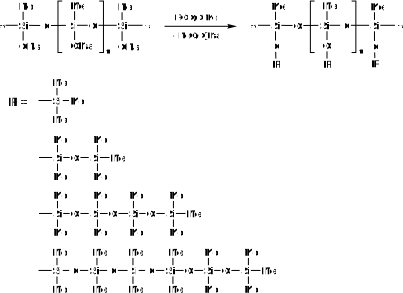
Figure 9. General scheme for the synthesis of comb-shaped polymethylsiloxanes.
However, as was in the case of previous siloxane molecular brushes, their molar masses were low. Furthermore, the method used to synthesize the highly functional backbone polymer matrix was technically challenging, since the hydrolytic polycondensation was carried out in a high-boiling solvent with continuous distillation of the released alcohol during the reaction.
A recent work by Milenin et al. [134] showed great promise for the synthesis of "pure" siloxane DMBs. The authors demonstrated for the first time the possibility of synthesizing a PDMS matrix with azidopropyl side functional groups at the silicon atom using the classical PDMS synthesis methods, namely, ring-opening polymerization (ROP) and catalytic rearrangement of siloxanes in the presence of a strong acid (CF3SO3H). The suggested approach enabled the synthesis of PDMSs containing both azidopropyl and hydridosilyl functional groups (Fig. 10). As a result, a series of new functional PDMSs with the molar masses ranging from 2000 to 88000 were synthesized and characterized. Obviously, further modification of the resulting PDMSs with azidopropyl functional groups, as well as polyfunctional PDMSs containing both azidopropyl and hydridosilyl functional groups, using the azide–alkyne cycloaddition can be considered as an alternative method for the synthesis of purely siloxane molecular brushes [134].
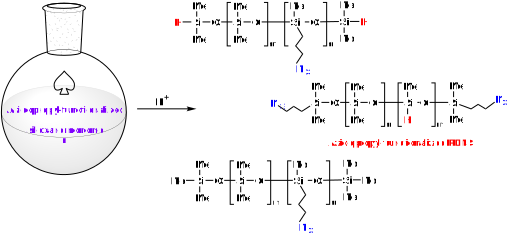
Figure 10. PDMSs containing both azidopropyl and hydridosilyl functional groups.
Hence, the grafting-to method, like the grafting-from and grafting-through methods, has a number of limitations. The main one for siloxane systems is the challenge of synthesizing a high-quality polymer matrix, as well as the use of relatively short arms.
Conclusions
The performed analysis of the synthetic approaches to dense molecular brushes showed that there is no single, versatile method suitable for further expansion. Certain contradictions between the theoretical analysis of DMB production and synthetic approaches remain unresolved. DMBs have been obtained against theoretical prohibitions, mainly owing to the emergence of new approaches, which were unknown at the time of the theory development. Further progress in this area requires both a more in-depth theoretical analysis and the development of new synthetic strategies that would take into account its results. The existence of the entropy barrier in the case of the grafting-to method and, to a significant extent, for the grafting-through method requires detailed investigations. It is necessary to more precisely determine the length of arms at which a comb-shaped polymer transforms into DMB and at which the entropy barrier becomes invincible. Apparently, these values lie at the boundary of oligomeric–polymeric transformations, but these conjectures require more precise theoretical verification. In this respect, synthetic chemists have advanced through trial and error much further than theorists, for whom this area seems to be unattractive.
The attempts of synthetisists to break through the entropy barrier by increasing the reactivity of functional groups, as it could be expected and as it was previously demonstrated for multi-arm stars [135], have failed. At the same time, the strategies developed will undoubtedly find application as a realm of possibilities described above is defined.
Perhaps the most meaningful attempt to obtain DMB was the work of K. Matyjaszewski, in which he clearly relied on theory when selecting the synthesis conditions [136].
Summarizing the considered material, the following conclusions can be outlined.
First, the search for effective methods for synthesizing DMBs in order to create new materials with non-classical properties is undoubtedly promising and represents a breakthrough.
Second, the most pressing and important challenge at the moment is to determine the window of opportunities, defined by the arm length and grafting density, within which the entropic limitations are not yet prohibitive, but the polymer system already exhibits the intermolecular interactions characteristic of DMBs.
Third, the search for an optimal combination of functional groups of the system reagents, which feature high and controlled reactivity, i.e., selectivity, both in terms of the primary reaction and complete inertness to secondary processes, impurities, etc.
As can be seen, the development of scalable and versatile synthetic approaches that would provide DMBs with reproducible properties is a complex interdisciplinary task. Solving it requires a qualitative leap in all aspects of the interdisciplinary process of creating a new range of polymeric materials with a non-classical combination of properties, practically elevating the possibilities of property control to a new level, which will bring us closer to natural polymer systems.
Acknowledgements
This work was supported by the Russian Science Foundation (project no. 24-23-00565).
References
- J. Yuan, A. H. E. Müller, K. Matyjaszewski, S. S. Sheiko, in: Polymer Science. A Comprehensive Reference, K. Matyjaszewski, M. Möller (Eds.), Elsevier, Amsterdam, 2012, vol. 6, ch. 6.06, pp. 199–264. DOI: 10.1016/b978-0-444-53349-4.00164-3
- W. F. M. Daniel, J. Burdyńska, M. Vatankhah-Varnoosfaderani, K. Matyjaszewski, J. Paturej, M. Rubinstein, A. V. Dobrynin, S. S. Sheiko, Nat. Mater., 2016, 15, 183–189. DOI: 10.1038/nmat4508
- M. Vatankhah-Varnosfaderani, A. N. Keith, Y. Cong, H. Liang, M. Rosenthal, M. Sztucki, C. Clair, S. Magonov, D. A. Ivanov, A. V. Dobrynin, S. S. Sheiko, Science, 2018, 359, 1509–1513. DOI: 10.1126/science.aar5308
- M. Vatankhah-Varnosfaderani, W. F. M. Daniel, M. H. Everhart, A. A. Pandya, H. Liang, K. Matyjaszewski, A. V. Dobrynin, S. S. Sheiko, Nature, 2017, 549, 497–501. DOI: 10.1038/nature23673
- E. Dashtimoghadam, F. Fahimipour, A. N. Keith, F. Vashahi, P. Popryadukhin, M. Vatankhah-Varnosfaderani, S. S. Sheiko, Nat. Commun., 2021, 12, 3961. DOI: 10.1038/s41467-021-23962-8
- F. Vashahi, M. R. Martinez, E. Dashtimoghadam, F. Fahimipour, A. N. Keith, E. A. Bersenev, D. A. Ivanov, E. B. Zhulina, P. Popryadukhin, K. Matyjaszewski, M. Vatankhah-Varnosfaderani, S. S. Sheiko, Sci. Adv., 2022, 8, eamb2469. DOI: 10.1126/sciadv.abm2469
- M. Maw, E. Dashtimoghadam, A. N. Keith, B. J. Morgan, A. K. Tanas, E. Nikitina, D. A. Ivanov, M. Vatankhah-Varnosfaderani, A. V. Dobrynin, S. S. Sheiko, ACS Cent. Sci., 2023, 9, 197–205. DOI: 10.1021/acscentsci.2c01407
- N. G. Yakhontov, O. B. Gorbatsevich, A. A. Kalinina, N. V. Demchenko, V. V. Kazakova, A. M. Muzafarov, Mendeleev Commun., 2020, 30, 336–338. DOI: 10.1016/j.mencom.2020.05.025
- K. A. Bezlepkina, F. D. Krylov, S. N. Ardabevskaia, I. I. Belikova, S. A. Milenin, A. M. Muzafarov, INEOS OPEN, 2024, 7, 9–10. DOI: 10.32931/io2405a
- A. M. Muzafarov, E. A. Rebrov, in: Silicon-Containing Dendritic Polymers, P. R. Dvornic, M. J. Owen (Eds.), Adv. Silicon Sci., Springer, Dordrecht, 2009, vol. 2, pp. 21–30. DOI: 10.1007/978-1-4020-8174-3_2
- K. S. Klokova, S. A. Milenin, F. V. Drozdov, A. M. Muzafarov, INEOS OPEN, 2024, 7, 30–32. DOI: 10.32931/io2414a
- D. M. Borisova, K. M. Borisov, A. A. Kalinina, A. M. Muzafarov, INEOS OPEN, 2024, 7, 13–14. DOI: 10.32931/io2407a
- M. D. Petunova, A. A. Askadskii, INEOS OPEN, 2019, 2, 134–139. DOI: 10.32931/io1919a
- L. V. Filimonova, G. G. Nikiforova, M. I. Buzin, E. S. Afanasyev, K. L. Boldyrev, Z. S. Klemenkova, R. U. Takazova, E. S. Trankina, D. A. Khanin, A. M. Muzafarov, INEOS OPEN, 2022, 5, 161–164. DOI: 10.32931/io2229a
- A. M. Muzafarov, N. G. Vasilenko, E. A. Tatarinova, G. M. Ignat'eva, V. M. Myakushev, M. A. Obrezkova, I. B. Meshkov, N. V. Voronina, O. V. Novozhilov, Polym. Sci., Ser. C, 2011, 53, 48–60. DOI: 10.1134/S1811238211070022
- E. A. Chernikova, N. G. Vasilenko, V. D. Myakushev, A. M. Muzafarov, Polym. Sci., Ser. A, 2004, 46, 417–424.
- M. A. Obrezkova, N. G. Vasilenko, V. D. Myakushev, A. M. Muzafarov, Polym. Sci., Ser. B., 2009, 51, 457–464. DOI: 10.1134/S1560090409110062
- S. Alexander, J. Phys., 1977, 38, 983–987. DOI: 10.1051/jphys:01977003808098300
- P. G. de Gennes, Macromolecules, 1980, 13, 1069–1075. DOI: 10.1021/ma60077a009
- S. S. Sheiko, M. Möller, Chem. Rev., 2001, 101, 4099–4124. DOI: 10.1021/cr990129v
- K. L. Beers, S. G. Gaynor, K. Matyjaszewski, S. S. Sheiko, M. Möller, Macromolecules, 1998, 31, 9413–9415. DOI: 10.1021/ma981402i
- P. Dziezok, K. Fischer, M. Schmidt, S. S. Sheiko, M. Möller, Angew. Chem., Int. Ed., 1997, 36, 2812–2815. DOI: 10.1002/anie.199728121
- G. Xie, M. R. Martinez, M. Olszewski, S. S. Sheiko, K. Matyjaszewski, Biomacromolecules, 2019, 20, 27–54. DOI: 10.1021/acs.biomac.8b01171
- H. G. Börner, D. Duran, K. Matyjaszewski, M. da Silva, S. S. Sheiko, Macromolecules, 2002, 35, 3387–3394. DOI: 10.1021/ma012100a
- H.-i. Lee, K. Matyjaszewski, S. Yu, S. S. Sheiko, Macromolecules, 2005, 38, 8264–8271. DOI: 10.1021/ma051231z
- S. J. Lord, S. S. Sheiko, I. LaRue, H.-i. Lee, K. Matyjaszewski, Macromolecules, 2004, 37, 4235–4240. DOI: 10.1021/ma035989z
- N. Khelfallah, N. Gunari, K. Fischer, G. Gkogkas, N. Hadjichristidis, M. Schmidt, Macromol. Rapid Commun., 2005, 26, 1693–1697. DOI: 10.1002/marc.200500512
- M. W. Neiser, S. Muth, U. Kolb, J. R. Harris, J. Okuda, M. Schmidt, Angew. Chem., Int. Ed., 2004, 43, 3192–3195. DOI: 10.1002/anie.200353259
- M. Zhang, A. H. E. Müller, P. Teissier, V. Cabuil, M. Krekhova, Prog. Colloid Polym. Sci., 2004, 126, 35–39. DOI: 10.1007/b94007
- M. Zhang, C. Estournès, W. Bietsch, A. H. E Müller, Adv. Funct. Mater., 2004, 14, 871–882. DOI: 10.1002/adfm.200400064
- K. Ishizu, H. Kakinuma, J. Polym. Sci., Part A: Polym. Chem., 2005, 43, 63–70. DOI: 10.1002/pola.20491
- H.-i. Lee, J. Pietrasik, K. Matyjaszewski, Macromolecules, 2006, 39, 3914–3920. DOI: 10.1021/ma060350r
- J. Pietrasik, B. S. Sumerlin, R. Y. Lee, K. Matyjaszewski, Macromol. Chem. Phys., 2007, 208, 30–36. DOI: 10.1002/macp.200600442
- H. G. Börner, K. Beers, K. Matyjaszewski, S. S. Sheiko, M. Möller, Macromolecules, 2001, 34, 4375–4383. DOI: 10.1021/ma010001r
- H.-i. Lee, W. Jakubowski, K. Matyjaszewski, S. Yu, S. S. Sheiko, Macromolecules, 2006, 39, 4983–4989. DOI: 10.1021/ma0604688
- D. Neugebauer, Y. Zhang, T. Pakula, K. Matyjaszewski, Polymer, 2003, 44, 6863–6871. DOI: 10.1016/j.polymer.2003.08.028
- D. Wu, Y. Yang, X. Cheng, L. Liu, J. Tian, H. Zhao, Macromolecules, 2006, 39, 7513–7519. DOI: 10.1021/ma061141+
- K. Ishizu, Polym. J., 2004, 36, 775–792. DOI: 10.1295/polymj.36.775
- K. Ishizu, J. Satoh, A. Sogabe, J. Colloid Interface Sci., 2004, 274, 472–479. DOI: 10.1016/j.jcis.2004.03.044
- H.-i. Lee, K. Matyjaszewski, S. Yu-Su, S. S. Sheiko, Macromolecules, 2008, 41, 6073–6080. DOI: 10.1021/ma800412s
- K. Matyjaszewski, S. Qin, J. R. Boyce, D. Shirvanyants, S. S. Sheiko, Macromolecules, 2003, 36, 1843–1849. DOI: 10.1021/ma021633w
- J. R. Boyce, D. Shirvanyants, S. S. Sheiko, D. A. Ivanov, S. Qin, H. G. Börner, K. Matyjaszewski, Langmuir, 2004, 20, 6005–6011. DOI: 10.1021/la049852t
- M. Schappacher, A. Deffieux, Macromolecules, 2005, 38, 7209–7213. DOI: 10.1021/ma051076o
- G. Xie, H. Ding, W. F. M. Daniel, Z. Wang, J. Pietrasik, S. S. Sheiko, K. Matyjaszewski, Polymer, 2016, 98, 481–486. DOI: 10.1016/j.polymer.2016.03.032
- H. Ding, J. Yan, Z. Wang, G. Xie, C. Mahoney, R. Ferebee, M. Zhong, W. F. M. Daniel, J. Pietrasik, S. S. Sheiko, C. J. Bettinger, M. R. Bockstaller, K. Matyjaszewski, Polymer, 2016, 107, 492–502. DOI: 10.1016/j.polymer.2016.09.022
- R. Djalali, S.-Y. Li, M. Schmidt, Macromolecules, 2002, 35, 4282–4288. DOI: 10.1021/ma0113733
- J. Yuan, Y. Xu, A. Walther, S. Bolisetty, M. Schumacher, H. Schmalz, M. Ballauff, A. H. E. Müller, Nat. Mater., 2008, 7, 718–722. DOI: 10.1038/nmat2232
- T. Pakula, Y. Zhang, K. Matyjaszewski, H.-i. Lee, H. Boerner, S. Qin, G. C. Berry, Polymer, 2006, 47, 7198–7206. DOI: 10.1016/j.polymer.2006.05.064
- W. F. M. Daniel, G. Xie, M. Vatankhah-Varnoosfaderani, J. Burdynska, Q. Li, D. Nykypanchuk, O. Gang, K. Matyjaszewski, S. S. Sheiko, Macromolecules, 2017, 50, 2103–2111. DOI: 10.1021/acs.macromol.7b00030
- Y. Li, J. Zou, B. P. Das, M. Tsianou, C. Cheng, Macromolecules, 2012, 45, 4623–4629. DOI: 10.1021/ma300565j
- G. Xie, P. Krys, R. D. Tilton, K. Matyjaszewski, Macromolecules, 2017, 50, 2942–2950. DOI: 10.1021/acs.macromol.7b00006
- G. M. Miyake, V. A. Piunova, R. A. Weitekamp, R. H. Grubbs, Angew. Chem., Int. Ed., 2012, 51, 11246–11248. DOI: 10.1002/anie.201205743
- G. M. Miyake, R. A. Weitekamp, V. A. Piunova, R. H. Grubbs, J. Am. Chem. Soc., 2012, 134, 14249–14254. DOI: 10.1021/ja306430k
- Y. Xia, J. A. Kornfield, R. H. Grubbs, Macromolecules, 2009, 42, 3761–3766. DOI: 10.1021/ma900280c
- B. R. Sveinbjörnsson, R. A. Weitekamp, G. M. Miyake, Y. Xia, H. A. Atwater, R. H. Grubbs, Proc. Natl. Acad. Sci. U. S. A., 2012, 109, 14332–14336. DOI: 10.1073/pnas.1213055109
- X. Banquy, J. Burdynska, D. W. Lee, K. Matyjaszewski, J. Israelachvili, J. Am. Chem. Soc., 2014, 136, 6199–6202. DOI: 10.1021/ja501770y
- J. Faivre, B. R. Shrestha, J. Burdynska, G. Xie, F. Moldovan, T. Delair, S. Benayoun, L. David, K. Matyjaszewski, X. Banquy, ACS Nano, 2017, 11, 1762–1769. DOI: 10.1021/acsnano.6b07678
- D. Wu, A. Nese, J. Pietrasik, Y. Liang, H. He, M. Kruk, L. Huang, T. Kowalewski, K. Matyjaszewski, ACS Nano, 2012, 6, 6208–6214. DOI: 10.1021/nn302096d
- J. Bolton, T. S. Bailey, J. Rzayev, Nano Lett., 2011, 11, 998–1001. DOI: 10.1021/nl103747m
- K. Huang, J. Rzayev, J. Am. Chem. Soc., 2009, 131, 6880–6885. DOI: 10.1021/ja901936g
- J. Rzayev, ACS Macro Lett., 2012, 1, 1146–1149. DOI: 10.1021/mz300402x
- R. Yuan, M. Kopeć, G. Xie, E. Gottlieb, J. W. Mohin, Z. Wang, M. Lamson, T. Kowalewski, K. Matyjaszewski, Polymer, 2017, 126, 352–359. DOI: 10.1016/j.polymer.2017.03.040
- W. Li, X. Zhang, J. Wang, X. Qiao, K. Liu, A. Zhang, J. Polym. Sci., Part A: Polym. Chem., 2012, 50, 4063–4072. DOI: 10.1002/pola.26208
- G. Sun, S. Cho, C. Clark, S. V. Verkhoturov, M. J. Eller, A. Li, A. Pavía-Jiménez, E. A. Schweikert, J. W. Thackeray, P. Trefonas, K. L. Wooley, J. Am. Chem. Soc., 2013, 135, 4203–4206. DOI: 10.1021/ja3126382
- X. Lu, T.-H. Tran, F. Jia, X. Tan, S. Davis, S. Krishnan, M. M. Amiji, K. Zhang, J. Am. Chem. Soc., 2015, 137, 12466–12469. DOI: 10.1021/jacs.5b08069
- H. Xu, F. C. Sun, D. G. Shirvanyants, M. Rubinstein, D. Shabratov, K. L. Beers, K. Matyjaszewski, S. S. Sheiko, Adv. Mater., 2007, 19, 2930–2934. DOI: 10.1002/adma.200602376
- H.-i. Lee, J. Pietrasik, S. S. Sheiko, K. Matyjaszewski, Prog. Polym. Sci., 2010, 35, 24–44. DOI: 10.1016/j.progpolymsci.2009.11.002
- M. Müllner, A. H. E. Müller, Polymer, 2016, 98, 389–401. DOI: 10.1016/j.polymer.2016.03.076
- Y. Ederle, F. Isel, S. Grutke, P. J. Lutz, Macromol. Symp., 1998, 132, 197–206. DOI: 10.1002/masy.19981320119
- K. Matyjaszewski, J. Xia, Chem. Rev., 2001, 101, 2921–2990. DOI: 10.1021/cr940534g
- N. V. Tsarevsky, K. Matyjaszewski, Chem. Rev., 2007, 107, 2270–2299. DOI: 10.1021/cr050947p
- W. A. Braunecker, K. Matyjaszewski, Prog. Polym. Sci., 2007, 32, 93–146. DOI: 10.1016/j.progpolymsci.2006.11.002
- R. B. Grubbs, C. J. Hawker, J. Dao, J. M. J. Fréchet, Angew. Chem., Int. Ed., 1997, 36, 270–272. DOI: 10.1002/anie.199702701
- R. Venkatesh, L. Yajjou, C. E. Koning, B. Klumperman, Macromol. Chem. Phys., 2004, 205, 2161–2168. DOI: 10.1002/macp.200400252
- M. Zhang, T. Breiner, H. Mori, A. H. E. Müller, Polymer, 2003, 44, 1449–1458. DOI: 10.1016/S0032-3861(02)00774-7
- D. Neugebauer, B. S. Sumerlin, K. Matyjaszewski, B. Goodhart, S. S. Sheiko, Polymer, 2004, 45, 8173–8179. DOI: 10.1016/j.polymer.2004.09.069
- C. Cheng, E. Khoshdel, K. L. Wooley, Macromolecules, 2007, 40, 2289–2292. DOI: 10.1021/ma0627525
- Y. Xu, S. Bolisetty, M. Drechsler, B. Fang, J. Yuan, M. Ballauff, A. H. E. Müller, Polymer, 2008, 49, 3957–3964. DOI: 10.1016/j.polymer.2008.06.051
- Y. Xu, H. Becker, J. Yuan, M. Burkhardt, Y. Zhang, A. Walther, S. Bolisetty, M. Ballauff, A. H. E. Müller, Macromol. Chem. Phys., 2007, 208, 1666–1675. DOI: 10.1002/macp.200700097
- S. Muthukrishnan, M. Zhang, M. Burkhardt, M. Drechsler, H. Mori, A. H. E. Müller, Macromolecules, 2005, 38, 7926–7934. DOI: 10.1021/ma0515073
- C. Tang, B. Dufour, T. Kowalewski, K. Matyjaszewski, Macromolecules, 2007, 40, 6199–6205. DOI: 10.1021/ma070892o
- G. Ayrey, M. J. Humphrey, R. C. Poller, Polymer, 1977, 18, 840–844. DOI: 10.1016/0032-3861(77)90192-6
- B. S. Sumerlin, D. Neugebauer, K. Matyjaszewski, Macromolecules, 2005, 38, 702–708. DOI: 10.1021/ma048351b
- Q. Wang, H. Zhang, G. K. S. Prakash, T. E. Hogen-Esch, G. A. Olah, Macromolecules, 1996, 29, 6691–6694. DOI: 10.1021/ma960602w
- V. V. Korshak, Vysokomol. Soedin., 1977, 19, 1179–1210.
- S. Christodoulou, H. Iatrou, D. J. Lohse, N. Hadjichristidis, J. Polym. Sci., Part A: Polym. Chem., 2005, 43, 4030–4039. DOI: 10.1002/pola.20890
- Y. Tsukahara, S.-i. Namba, J. Iwasa, Y. Nakano, K. Kaeriyama, M. Takahashi, Macromolecules, 2001, 34, 2624–2629. DOI: 10.1021/ma0016937
- D. Pantazis, I. Chalari, N. Hadjichristidis, Macromolecules, 2003, 36, 3783–3785. DOI: 10.1021/ma025898m
- K. Ishizu, J. Satoh, J. Appl. Polym. Sci., 2003, 87, 1790–1793. DOI: 10.1002/app.11593
- F. Peruch, J.-F. Lahitte, F. Isel, P. J. Lutz, Macromol. Symp., 2002, 183, 159–164. DOI: 10.1002/1521-3900(200207)183:1<159::AID-MASY159>3.0.CO;2-7
- R. H. Grubbs, W. Tumas, Science, 1989, 243, 907–915. DOI: 10.1126/science.2645643
- R. R. Schrock, Acc. Chem. Res., 1990, 23, 158–165. DOI: 10.1021/AR00173A007
- C. Cheng, E. Khoshdel, K. L. Wooley, Macromolecules, 2005, 38, 9455–9465. DOI: 10.1021/ma0515984
- H. R. Allcock, C. R. de Denus, R. Prange, W. R. Laredo, Macromolecules, 2001, 34, 2757–2765. DOI: 10.1021/ma001686i
- B. Zhang, K. Fischer, M. Schmidt, Macromol. Chem. Phys., 2005, 206, 157–162. DOI: 10.1002/macp.200400266
- A. P. Vogt, B. S. Sumerlin, Macromolecules, 2006, 39, 5286–5292. DOI: 10.1021/ma0610461
- G. Deng, Y. Chen, J. Polym. Sci., Part A: Polym. Chem., 2004, 42, 3887–3896. DOI: 10.1002/pola.20241
- K. Ishizu, X. X. Shen, K.-I. Tsubaki, Polymer, 2000, 41, 2053–2057. DOI: 10.1016/S0032-3861(99)00374-2
- B. Zhang, S. Zhang, L. Okrasa, T. Pakula, T. Stephan, M. Schmidt, Polymer, 2004, 45, 4009–4015. DOI: 10.1016/j.polymer.2004.04.012
- D. Neugebauer, Y. Zhang, T. Pakula, K. Matyjaszewski, Macromolecules, 2005, 38, 8687–8693. DOI: 10.1021/ma0514828
- S. I. Kozlov, G. Łapienis, G. V. Rakova, K. S. Kazanskii, Polym. Sci., Ser. A, 2006, 48, 1022–1034. DOI: 10.1134/S0965545X06100026
- S. Perrier, S. P. Armes, X. S. Wang, F. Malet, D. M. Haddleton, J. Polym. Sci., Part A: Polym. Chem., 2001, 39, 1696–1707. DOI: 10.1002/pola.1147
- M. M. Ali, H. D. H. Stöver, Macromolecules, 2004, 37, 5219–5227. DOI: 10.1021/ma030485m
- K. Yamada, M. Miyazaki, K. Ohno, T. Fukuda, M. Minoda, Macromolecules, 1999, 32, 290–293. DOI: 10.1021/ma981415w
- D. M. Knauss, H. A. Al-Muallem, T. Huang, D. T. Wu, Macromolecules, 2000, 33, 3557–3568. DOI: 10.1021/ma991509l
- A. Vazaios, N. Hadjichristidis, J. Polym. Sci., Part A: Polym. Chem., 2005, 43, 1038–1048. DOI: 10.1002/pola.20545
- R. D. Puts, D. Y. Sogah, Macromolecules, 1997, 30, 7050–7055. DOI: 10.1021/ma970329d
- P. F. Rempp, E. Franta, Adv. Polym. Sci., 1984, 58, 1–53. DOI: 10.1007/3-540-12793-3_6
- S. Breunig, V. Héroguez, Y. Gnanou, M. Fontanille, Macromol. Symp., 1995, 95, 151–166. DOI: 10.1002/masy.19950950114
- V. Heroguez, S. Breunig, Y. Gnanou, M. Fontanille, Macromolecules, 1996, 29, 4459–4464. DOI: 10.1021/ma951797v
- S. Jha, S. Dutta, N. B. Bowden, Macromolecules, 2004, 37, 4365–4374. DOI: 10.1021/ma049647k
- Y. Gnanou, Indian J. Technol., 1993, 31, 317–338.
- L. Gu, Z. Shen, S. Zhang, G. Lu, X. Zhang, X. Huang, Macromolecules, 2007, 40, 4486–4493. DOI: 10.1021/ma062083v
- K. Mukumoto, Y. Li, A. Nese, S. S. Sheiko, K. Matyjaszewski, Macromolecules, 2012, 45, 9243–9249. DOI: 10.1021/ma3020867
- P. Krys, K. Matyjaszewski, Eur. Polym. J., 2017, 89, 482–523. DOI: 10.1016/j.eurpolymj.2017.02.034
- M. R. Martinez, Y. Cong, S. S. Sheiko, K. Matyjaszewski, ACS Macro Lett., 2020, 9, 1303–1309. DOI: 10.1021/acsmacrolett.0c00350
- K. A. Andrianov, Polymers with Inorganic Main-Chain Molecules, Prosveshchenie, Moscow, 1962.
- A. Kottmann, E. Mejía, T. Hémery, J. Klein, U. Kragl, Chem. Asian J., 2017, 12, 1168–1179. DOI: 10.1002/asia.201700244
- D. Lanson, F. Ariura, M. Schappacher, R. Borsali, A. Deffieux, Macromol. Res., 2007, 15, 173–177. DOI: 10.1007/BF03218770
- D. Fournier, F. Du Prez, Macromolecules, 2008, 41, 4622–4630. DOI: 10.1021/ma800189z
- X. Luo, G. Wang, X. Pang, J. Huang, Macromolecules, 2008, 41, 2315–2317. DOI: 10.1021/ma800117d
- M. Schappacher, C. Billaud, C. Paulo, A. Deffieux, Macromol. Chem. Phys., 1999, 200, 2377–2386. DOI: 10.1002/(sici)1521-3935(19991001)200:10<2377::aid-macp2377>3.0.co;2-b
- M. Schappacher, A. Deffieux, Macromol. Chem. Phys., 1997, 198, 3953–3961. DOI: 10.1002/macp.1997.021981214
- M. Gauthier, M. Moeller, Macromolecules, 1991, 24, 4548–4553. DOI: 10.1021/ma00016a011
- P. Grosius, Y. Gallot, A. Skoulios, Makromol. Chem., 1969, 127, 94–112. DOI: 10.1002/macp.1969.021270106
- M. Takaki, R. Asami, Y. Kuwata, Macromolecules, 1979, 12, 378–382. DOI: 10.1021/ma60069a005
- O. V. Borisov, E. B. Zhulina, T. M. Birshtein, ACS Macro Lett., 2012, 1, 1166–1169. DOI: 10.1021/mz3003903
- T. M. Birshtein, Polym. Sci., Ser. A, 2019, 61, 789–798. DOI: 10.1134/S0965545X19060014
- A. M. Skvortsov, L. I. Klushin, A. A. Gorbunov, Macromolecules, 1997, 30, 1818–1827. DOI: 10.1021/ma961111e
- H. Gao, K. Matyjaszewski, J. Am. Chem. Soc., 2007, 129, 6633–6639. DOI: 10.1021/ja0711617
- L. N. Lewis, J. Am. Chem. Soc., 1990, 112, 5998–6004. DOI: 10.1021/ja00172a014
- M. A. Obrezkova, A. A. Kalinina, I. V. Pavlichenko, N. G. Vasilenko, M. V. Mironova, A. V. Semakov, V. G. Kulichikhin, M. I. Buzin, A. M. Muzafarov, Silicon, 2015, 7, 177–189. DOI: 10.1007/s12633-014-9257-4
- M. A. Obrezkova, Cand. Sci. (Chem.) Dissertation, Moscow, ISPM RAS, 2009.
- S. A. Milenin, F. V. Drozdov, K. A. Bezlepkina, V. Yu. Majorov, A. M. Muzafarov, Macromolecules, 2021, 54, 2921–2935. DOI: 10.1021/acs.macromol.0c02790
- A. Avgeropoulos, Y. Poulos, N. Hadjichristidis, J. Roovers, Macromolecules, 1996, 29, 6076–6078. DOI: 10.1021/ma960290x
- S. S. Sheiko, A. V. Dobrynin, Macromolecules, 2019, 52, 7531–7546. DOI: 10.1021/acs.macromol.9b01127